



Vegetable Slicer Shipment
2026-11-12 15:58Two Vegetable Slicer Machines Shipped: One to the United States, One to Guinea
On 11 November two wooden cases went onto a flatbed at the yard gate — one vegetable slicer machine for a buyer in the United States, one for a buyer in Guinea. Same product family, same week, same truck. Almost nothing else about them is the same.
That is the part of export work that a catalogue never shows. A machine is not shipped to "the export market"; it is shipped to a grid, a port, a kitchen and a maintenance team, and each of those changes the build sheet.
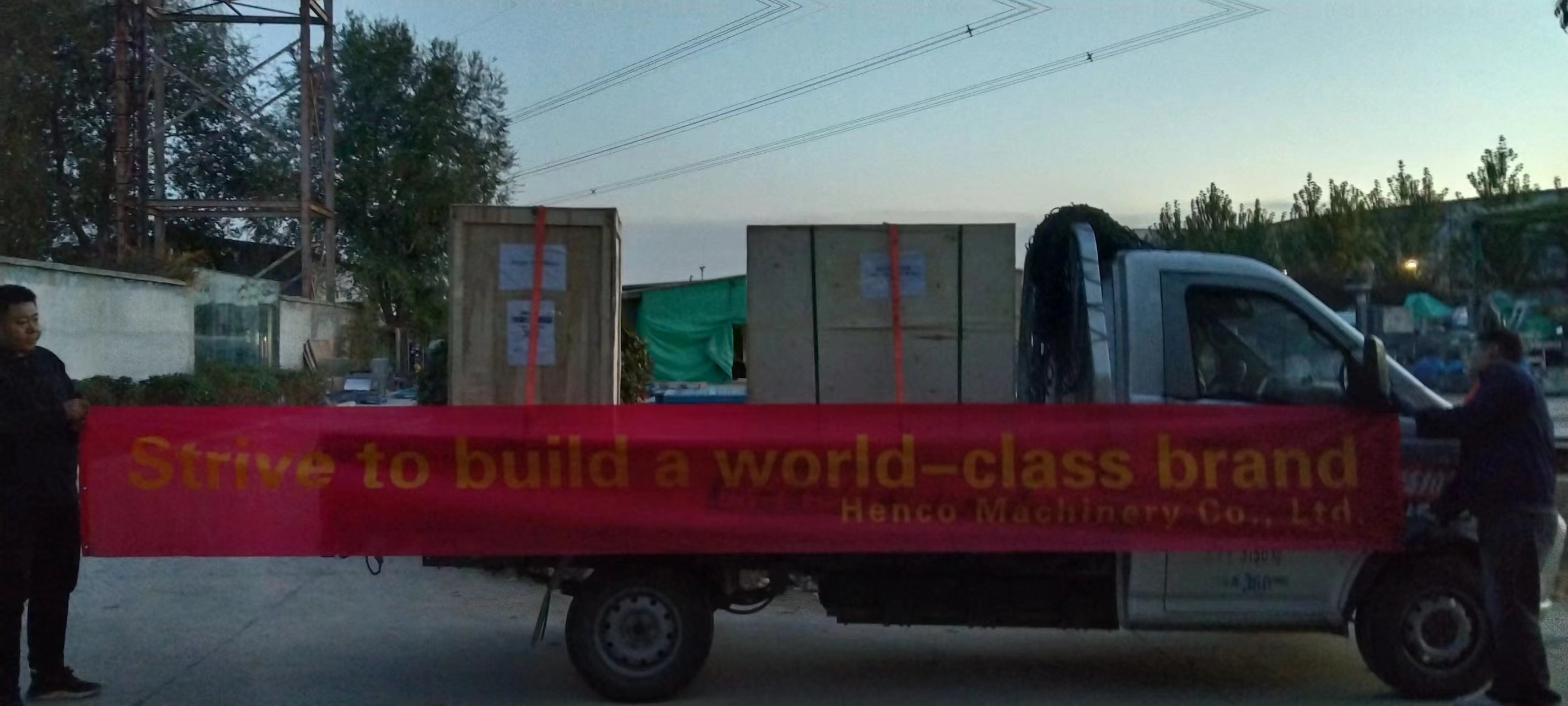
Two cases, one truck, two destinations.
What Is in the Two Cases
Both units are built on the JX-802 vegetable cutting platform:
| Parameter | Value |
|---|---|
| Model | JX-802 vegetable cutter |
| Overall size | 1150 × 600 × 1140 mm |
| Power | 3.15 kW |
| Machine weight | 130 kg |
| Output, leafy vegetables | 500–1000 kg/h |
| Output, rhizomes | 600–1000 kg/h |
| Cut length, leafy | 1–60 mm (optional) |
| Rhizome specification | set by the changeable knife set |
The same frame cuts potato into slices, cucumber into rounds, cabbage into shreds and celery into strips; what changes between products is the knife set and the gap, not the machine.

The product page carries the full table, and the smaller horizontal vegetable cutting machine is the model to look at when the daily volume is under a tonne.
The Difference That Matters Most: 50 Hz and 60 Hz
The standard build runs on 380 V three-phase, 50 Hz. Guinea runs a 50 Hz grid, so the machine that left for Conakry needed nothing unusual in the electrical department.
The United States does not. A 60 Hz supply turns a 50 Hz motor about twenty per cent faster — the motor speed follows the frequency. On a cutter that means the knife turns faster, the product spends less time in the cutting head, and the cut length shifts away from the setting on the plate. The machine does not fail; it quietly stops producing the size the customer ordered.
There are two honest ways to deal with that, and we quoted both:
A 60 Hz motor and control transformer matched to the site voltage — the mechanical build stays the same, the electrical build changes.
A variable frequency drive, which lets the same machine be set to the speed the cut requires regardless of the grid. It costs more and adds a component that has to be maintained.
Whichever route is chosen, the voltage, frequency and phase have to be confirmed on paper before the frame is cut. A machine built for the wrong grid is not a warranty issue; it is a rebuild.
Two Other Differences Worth Planning For
Documentation and language. The Guinean shipment travels with French-language operating material; the US shipment with English. Both carry the same wiring diagram and the same spare parts list with part numbers, because the person servicing the machine in three years will not be the person who bought it.
Distance to the spare. A blunt knife set is a consumable, not a fault. For a buyer in the United States, a replacement set is an air freight shipment measured in days. For Conakry, the same set travels by sea, so the spare knife sets that go in the case at packing are part of the quotation rather than an afterthought.
Why the Cases Look Like That
The two units left in solid timber cases, strapped and labelled, because a stainless machine with a 3.15 kW motor does not survive a container journey on a pallet alone.
Solid wood packing crosses borders under the ISPM 15 rules: the timber has to be heat treated to a core temperature of 56 °C held for at least thirty minutes, or fumigated, and the case carries the stamp to prove it. Plywood is exempt, which is why some suppliers prefer it — but a plywood case is thinner, and a 130 kg machine with castors needs the thicker wall.
Inside the case the machine is blocked so the castors carry no load, the control panel is protected, and the knife set is packed separately from the frame.
The Timeline Behind One Truck
A photograph of a loaded truck compresses several weeks into one evening. The order behind it runs in a fixed sequence, and each step can stop the next one:
Specification confirmed — voltage, frequency, cut size, output per shift.
Drawing approved — the layout and the electrical build, signed by the buyer.
Build — standard machines are quoted at 15 to 30 working days and customized builds at 30 to 60, counted from the approved drawing rather than from the enquiry.
Packing and marking — case, treatment, label, packing list.
Truck to the forwarder — where the photograph was taken.
The step that delays the most shipments is the second one. A buyer who signs the drawing in the first week usually ships in the same month as the quote; one who leaves it open until the machine is finished has effectively added a month to the lead time.
What the Photo Shows
A flatbed at dusk, two cases, a red strap across each, shipping labels on the sides, and the company banner on the truck. What it does not show is the part that took the longer: two different electrical specifications, two documentation sets, and a packing list that has to match the case markings exactly — because a customs officer reads the label, not the machine.
If you are configuring a cutter for a 60 Hz site, the OEM and ODM service page sets out what can be changed without a new drawing, and the vegetable cutting machine range lists the models on either side of the JX-802.